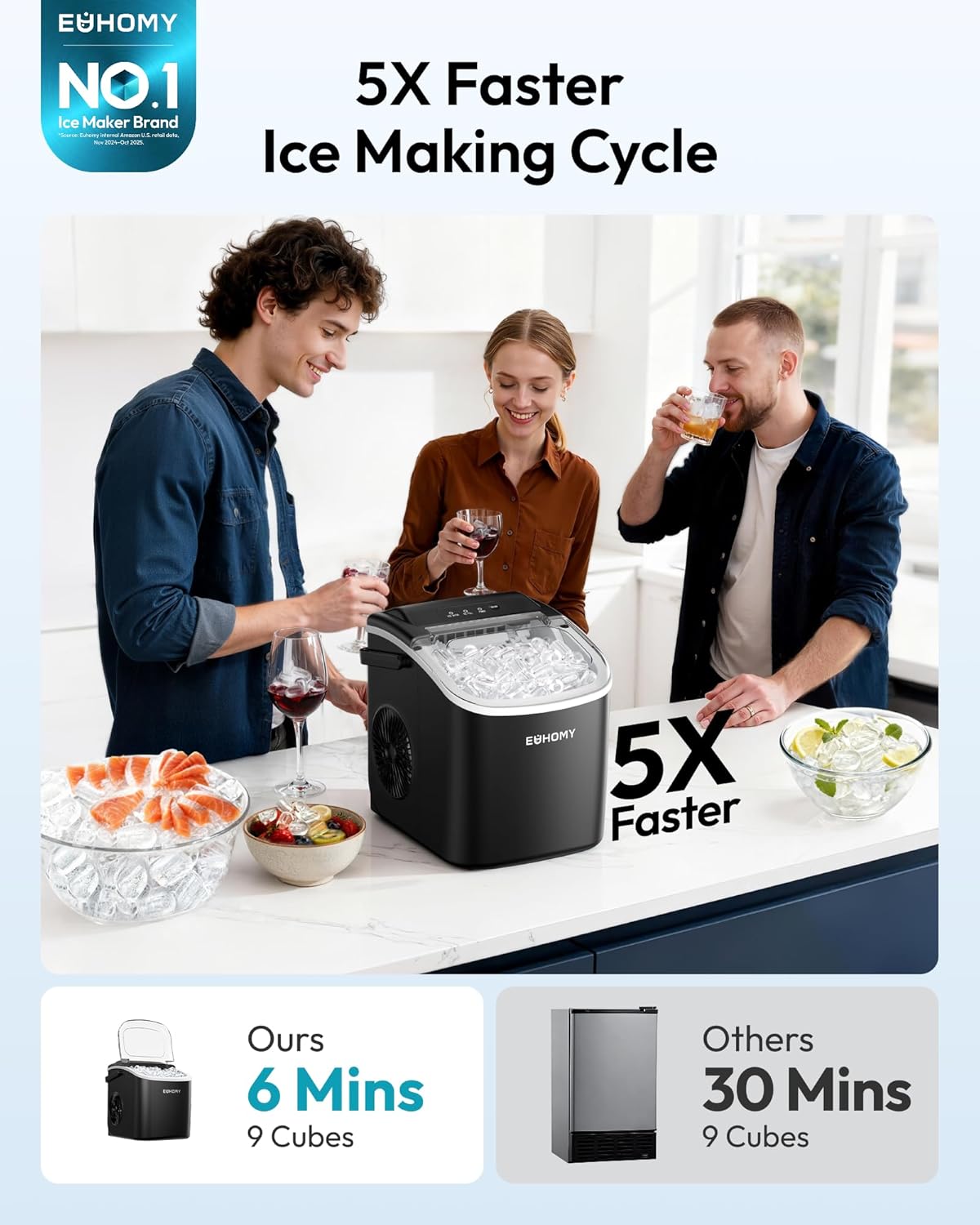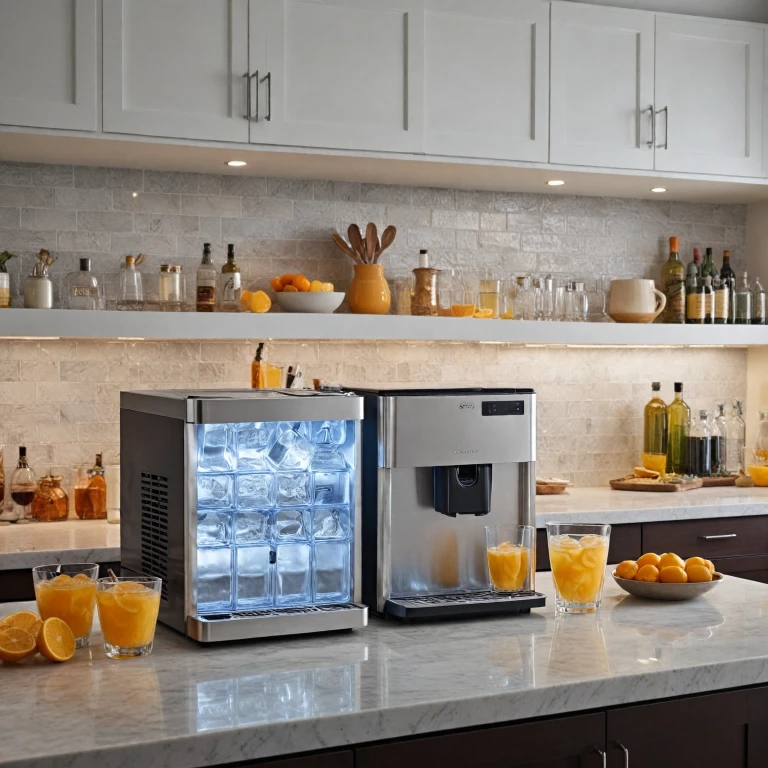


Understanding your ice needs
Assessing How Much Ice You Really Need
Before choosing an ice maker, it's important to think about how much ice you actually use. Whether you want ice for daily drinks, entertaining guests, or running a business, your needs will shape the type of machine you should consider. Some people only need a few ice cubes for their water or coffee, while others need pounds of ice for parties or commercial use.
- Household Use: If you mostly need ice for family drinks or occasional gatherings, a countertop ice maker or portable ice machine might be the best fit. These machines are compact and can produce enough ice cubes for most home needs.
- Business or Entertaining: For restaurants, bars, or large events, commercial ice makers or undercounter ice machines are designed for higher ice production. These appliances can deliver clear ice, nugget ice, or even bullet ice in larger quantities.
Think about how often you fill your ice trays or buy bagged ice. Do you prefer nugget ice for cocktails, or clear ice cubes for premium drinks? The type and amount of ice you use will help narrow down your options among the many ice makers and machines available on Amazon and other retailers.
Also, consider where the machine will be placed. Countertop ice makers are great for kitchens with limited space, while modular ice machines or undercounter ice makers require more room and a dedicated water line. If you need ice on the go, portable ice makers are easy to move and set up wherever you need them.
For those who want to explore the best places to buy pebble ice for your home or business, check out this guide to buying pebble ice for more tips and options.
Understanding your ice needs is the first step. Once you have a clear idea, you can move on to comparing the different types of ice makers and their features to find the best match for your lifestyle or business.
Types of ice makers available
Exploring the Main Categories of Ice Makers
When searching for the best ice maker, it’s important to understand the different types of machines available. Each type is designed for specific needs, whether you want ice for home drinks, a business, or entertaining guests. Here’s a breakdown of the most common ice makers you’ll find on the market:
- Countertop Ice Makers: These portable machines are perfect for home use, apartments, or small offices. They’re easy to set up, require only water and a power outlet, and can produce bullet ice or nugget ice quickly. Countertop ice makers are popular for their convenience and compact size.
- Undercounter Ice Makers: Designed to fit under kitchen counters or bars, these appliances are ideal for those who need a steady supply of ice cubes. Undercounter machines usually connect directly to a water line and can produce clear ice or traditional cubes in larger quantities than portable models.
- Commercial Ice Machines: Businesses such as restaurants, bars, and hotels rely on these high-capacity machines. Commercial ice makers are built for continuous ice production and can be air cooled or water cooled. They come in modular designs, allowing for large volumes of ice cubes or nugget ice to meet heavy demand.
- Portable Ice Makers: Similar to countertop models, portable ice makers are easy to move and set up wherever you need ice. They’re great for outdoor events, RVs, or camping, and can quickly produce pounds of ice without permanent installation.
Understanding Ice Types and Their Uses
Different ice makers produce different types of ice, each with its own benefits. Here’s a quick overview:
| Ice Type | Best For | Common Machines |
|---|---|---|
| Bullet Ice | Everyday drinks, quick cooling | Countertop, portable |
| Nugget Ice | Soft drinks, cocktails, chewing | Countertop, commercial |
| Clear Ice | Whiskey, premium cocktails | Undercounter, commercial |
| Ice Cubes | General use, coolers | Undercounter, commercial, modular |
Choosing the right type of ice and machine depends on your intended use. For example, if you want perfect whiskey ice at home, you might want to check out this guide on choosing the perfect whiskey ice machine for your home bar.
As you continue your search, keep in mind how much ice you’ll need and where you’ll use your machine. This will help you narrow down the best options for your space and lifestyle.
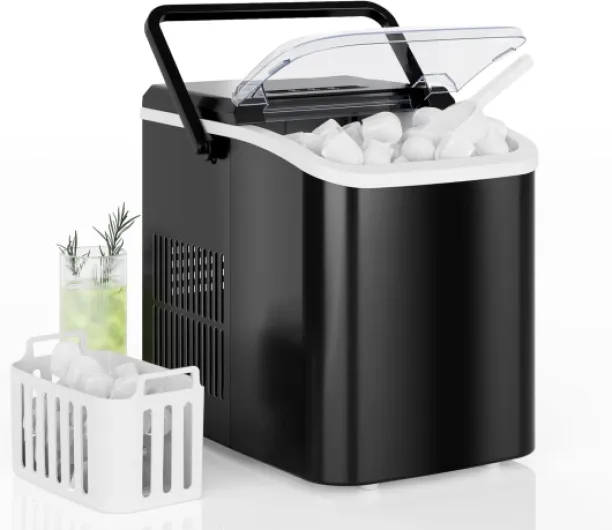
- + Fast Ice Production: 9 bullet ice cubes in just 6 minutes
- + Self-Cleaning Function: Easy maintenance
- + Portable: Ideal for home, kitchen, RV, and camping
- + Compact Design: Saves space on countertop
- + Quiet Operation: Doesn't disturb your environment

Key features to look for
Essential Features for Selecting the Best Ice Maker
When you’re evaluating ice makers, it’s important to focus on features that match your specific needs. Whether you’re looking for a countertop ice machine for home use or a commercial ice maker for your business, the right features can make a big difference in daily use and satisfaction.
- Ice Production Capacity: Consider how many pounds of ice you’ll need per day. Portable ice makers often produce 20-30 pounds of ice, while commercial ice machines can exceed 100 pounds. Make sure the machine can keep up with your demand, especially during peak times.
- Type of Ice Produced: Different machines make different types of ice, such as nugget ice, bullet ice, clear ice, or crescent ice. Each has its own advantages for drinks, food presentation, or business needs. For a deep dive into why crescent ice might be the perfect fit, check out this guide on crescent ice benefits.
- Size and Installation: Countertop ice makers are compact and portable, ideal for kitchens or offices. Undercounter ice machines and modular ice makers are better for commercial settings or larger households. Measure your space before buying.
- Water Source: Some ice makers require a direct water line, while others use a refillable reservoir. Water-cooled machines may need special installation, while air-cooled models are easier to set up and maintain.
- Ice Storage: Look at the storage bin size. If you need a steady supply of ice cubes, a larger bin will help avoid running out during busy periods.
- Ease of Use and Cleaning: Features like self-cleaning cycles, removable baskets, and clear controls make maintenance simpler. This is especially important for appliances used frequently or in a business environment.
- Noise Level: Some ice machines are quieter than others. If your ice maker will be in a shared space or near living areas, look for models with quiet operation.
- Certifications and Safety: For commercial ice makers, check for certifications like NSF or UL to ensure compliance with health and safety standards.
- Photo and Display Features: Some modern machines include digital displays or even app connectivity, making it easier to monitor ice production and maintenance needs.
By focusing on these tested features, you’ll be better equipped to choose the best ice maker for your needs, whether it’s for home drinks, a busy office, or a commercial kitchen. Remember, the right combination of ice production, machine type, and user-friendly design will ensure your ice maker fits seamlessly into your daily routine.
Energy efficiency and maintenance
How Efficient Ice Makers Save Time and Money
When you’re comparing ice makers, energy efficiency and maintenance are two factors that can make a big difference in your daily experience and long-term costs. Whether you’re looking at a portable countertop ice machine for your kitchen or a commercial ice maker for your business, understanding how these aspects affect performance will help you choose the best option.
- Energy Efficiency: Modern ice machines are designed to use less electricity and water. Look for appliances with Energy Star certification or similar ratings. Efficient machines not only reduce your utility bills but also tend to have a longer lifespan.
- Water Usage: Some ice makers recycle unused water, while others require manual draining. Water-cooled machines generally use more water than air-cooled models, so consider your water supply and costs, especially for commercial ice production.
- Maintenance Needs: Regular cleaning is essential to keep your ice cubes clear and your machine running smoothly. Nugget ice makers and modular ice machines may require more frequent maintenance due to their design. Always check the manufacturer’s instructions for cleaning cycles and filter changes.
- Ease of Access: Countertop ice makers and portable ice machines are usually easier to clean and maintain than undercounter or commercial ice machines. Some models even have self-cleaning features, which can save you time and effort.
Maintenance Checklist for Reliable Ice Production
| Task | Frequency | Applies To |
|---|---|---|
| Wipe exterior and interior surfaces | Weekly | All ice makers |
| Descale water lines | Monthly | Commercial, undercounter, modular |
| Change water filter | Every 6 months | Machines with filters |
| Run cleaning cycle | As recommended | Countertop, portable, commercial |
Choosing an ice maker that balances energy efficiency with easy maintenance will help ensure you always have fresh, clear ice for your drinks or business needs. Tested models from reputable brands like Luma Comfort and others on Amazon often highlight these features in their product photos and descriptions, making it easier to compare options. Remember, regular upkeep not only extends the life of your machine but also keeps your ice tasting its best.
Budget considerations
Finding Value in Ice Makers
When it comes to buying an ice maker, balancing your budget with your needs is crucial. There are many types of ice machines, from compact countertop ice makers to large commercial ice machines. Each comes with its own price range and features, so understanding what you truly need will help you avoid overspending or ending up with a machine that doesn’t meet your expectations.
- Countertop ice makers: These are generally the most affordable and portable options. They’re great for home use, small offices, or RVs. While they may not produce as much ice as commercial machines, they’re perfect for daily drinks and small gatherings.
- Commercial and modular ice machines: Designed for businesses or high-demand environments, these machines can produce large quantities of ice cubes, nugget ice, or clear ice. They’re more expensive but necessary for restaurants, bars, or events where ice production is critical.
- Undercounter and water cooled machines: These are built-in appliances that offer a balance between capacity and convenience. They tend to cost more than portable or countertop models but are ideal for those who want a seamless kitchen or bar setup.
What Affects the Price?
The cost of an ice maker depends on several factors:
- Ice production capacity: Machines that produce more pounds of ice per day, like commercial ice makers, are generally more expensive.
- Type of ice: Nugget ice, clear ice, and bullet ice makers often come at different price points. For example, nugget ice machines are popular for their chewable texture but can be pricier than standard ice cube makers.
- Features: Extras like self-cleaning, air cooled or water cooled systems, and smart controls can add to the cost.
- Brand and build quality: Trusted brands and stainless steel construction usually mean a higher price but better durability and reliability.
Tips for Staying Within Budget
- Assess your actual ice needs before choosing between portable, countertop, or commercial machines.
- Compare tested models on sites like Amazon to see real user feedback and photos.
- Don’t pay for features you won’t use. For example, a business may need a modular ice machine, while a home user might only need a countertop appliance.
- Consider long-term costs, such as water and energy usage, as these can add up over time.
By focusing on your specific requirements and understanding the different types of ice makers and their features, you can find the best machine for your needs without overspending. Remember, the most expensive option isn’t always the best for every situation.
Common mistakes to avoid when buying an ice maker
Overlooking Ice Production Capacity
Many buyers underestimate how much ice they actually need. Whether you’re looking at portable ice makers for home use or commercial ice machines for a business, it’s crucial to match the machine’s daily ice production to your real demand. For example, a countertop ice maker might produce 26 pounds of ice per day, which is great for small gatherings but not enough for a busy restaurant or bar. Always check the manufacturer’s tested output and consider peak times when you’ll need more ice for drinks or food service.Ignoring Water and Drainage Requirements
Some ice makers, especially commercial and undercounter ice machines, need a dedicated water line and proper drainage. Portable ice makers and countertop models usually have a water reservoir you fill manually, but larger machines may require plumbing. Not checking your water source or drainage setup can lead to installation headaches or even water damage. Also, consider if you want air cooled or water cooled machines, as this affects both installation and ongoing maintenance.Choosing the Wrong Type of Ice
There are many types of ice: nugget, bullet, clear, and traditional cubes. Each type suits different needs. Nugget ice is soft and chewable, great for cocktails and sodas, while clear ice cubes melt slowly and look great in photos. Bullet ice is common in portable ice makers and is ideal for quick chilling. Think about what kind of drinks you’ll serve and what ice type your guests or customers prefer before making a decision.Forgetting About Size and Placement
It’s easy to overlook the physical size of the ice maker. Countertop ice makers are compact, but commercial or modular ice machines can be bulky. Measure your available space, including height and ventilation clearance, especially for undercounter ice machines. Also, consider if the machine will fit under cabinets or if it needs to be near a water source.Neglecting Maintenance and Cleaning
Ice makers, like all appliances, need regular cleaning to prevent scale buildup and ensure clean, safe ice. Some machines have self-cleaning features, but others require manual cleaning. If you ignore maintenance, you risk poor ice quality and even machine breakdowns. Always check how easy it is to access the water reservoir, ice bin, and internal parts for cleaning.- Check if the machine has a removable ice bin for easy cleaning
- Look for models with cleaning alerts or cycles
- Read the manual for recommended cleaning frequency